
Is Your Attic Ready for a North Texas Summer?
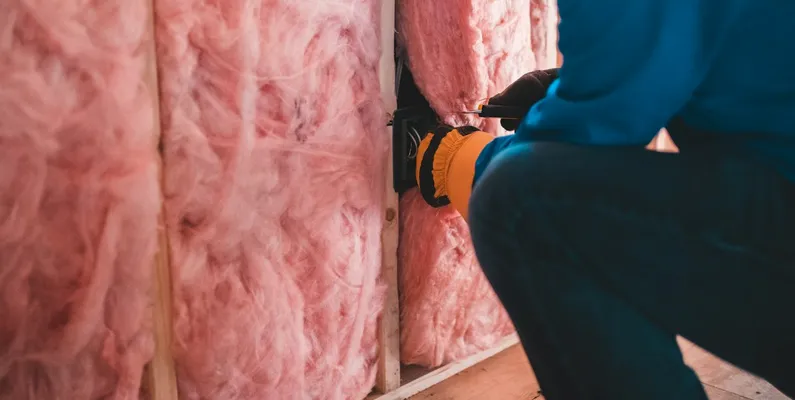
On a hot afternoon the attic is often the hottest space in the house, and that heat pushes down into the rooms below and into any ductwork running through it. A short inspection can show you where comfort and energy dollars are leaking out.
Before you go up
Plan your trip for early morning, when the attic is coolest. Wear a dust mask, gloves, and long sleeves, bring a good flashlight, and step only on the joists or a walking board. Ceiling drywall will not hold your weight.
1. Insulation depth and coverage
Look across the whole attic floor. Insulation should be even, with no bare spots around the edges, the attic hatch, or recessed lights. Batts that are compressed, wet, or pulled aside by past repair work lose much of their value. If you can easily see the tops of the ceiling joists, you probably need more. ENERGY STAR publishes recommended insulation levels by climate zone, which is a useful target.
2. Air sealing
Insulation slows heat, but it does not stop air. Gaps around plumbing vents, wiring holes, the top of interior walls, and the attic hatch let conditioned air escape into the attic. Dark, dirty spots on insulation are a common sign of air moving through. Sealing these gaps with foam or caulk is usually done before adding insulation.
3. Ventilation
Most attics are designed to pull cooler air in at the soffits and let hot air out near the ridge. Check that insulation is not blocking the soffit vents (foam baffles keep the path open) and that ridge or roof vents are not covered or damaged. Signs of poor ventilation include musty odors, rusty nails, and frost or moisture stains in cooler months.
4. Ductwork
If your air conditioning ducts run through the attic, look for flex duct that is crushed, kinked, sagging, or disconnected at the joints. Leaky ducts can dump cooled air straight into the attic. Joints should be sealed with mastic or approved foil tape, not cloth duct tape.
5. Roof health from the inside
Turn off your flashlight for a moment and look for daylight through the roof deck. Then check the underside of the decking, rafters, and insulation for water stains, dark streaks, or damp spots, especially after storms. Hail or wind damage on the outside often shows up first as a small leak on the inside. While you are checking after a storm, look for limbs hanging over the roof, too. Tree trimming keeps them off the shingles, and storm damage tree removal handles the ones that already came down.
When to call a pro
If you find wet insulation, active leaks, damaged decking, signs of pests, or ducts that need rework, it is time for a professional inspection. Catching these problems before peak summer heat is far easier than fixing them in the middle of it.