
General Contractor in Fort Worth, TX
S&L Good Fellas is an insured, family-owned general contractor based in Irving. We work in Fort Worth, indoors and out: remodels, additions, paint, fences, decks, trees and yards. Text or call for a free quote.
A General Contractor for Fort Worth Homes
Looking for a general contractor in Fort Worth? S&L Good Fellas is based in Irving and works here. We quote kitchen and bathroom remodels, home additions, painting, fences, decks, pergolas, sheds, tree work and landscaping.
Fort Worth has its own rulebook. A deck more than 6 inches off the ground needs a city permit. So does every storage shed. Front yard fences have a height cap. And the city's tree ordinance treats a standard house lot one way and a lot over an acre another.
The houses change by area too. The city dates Fairmount, on the Near Southside, to 1890 through 1938, and Historic Carver Heights to about 1950 and after. Tell us the age of your house when you call.
Quick Answers
What Fort Worth homeowners ask before they ask for a quote.
Are you based in Fort Worth?
No. S&L Good Fellas is based in Irving. We work in Fort Worth and across Dallas-Fort Worth. Text or call and tell us where the job is.
Does a fence need a permit in Fort Worth?
Fences over 7 feet usually need permits. Open wire fences without slats can be exempt up to 8 feet, except certain electric-fence barriers. Ask Development Services about that exception, front yards and historic districts.
How do I get a quote?
Text or call (469) 340-2030. We chat on the phone, take a look at the job, and send a free quote.
Across Fort Worth
We serve homes across Fort Worth: the Near Southside and the streets near TCU, the west side along Camp Bowie Boulevard, east Fort Worth out past Loop 820, and the newer neighborhoods north and south of the loop. Not sure you are in range? Text us your street.
ZIP Codes We Serve
- 76102
- 76104
- 76107
- 76109
- 76110
- 76112
- 76116
- 76123
- 76132
- 76133
- 76177
- 76244
- Google Rating
- 5.0
- Google Reviews
- 76
Neighborhoods We Serve in Fort Worth
Each neighborhood page covers its own district rules, HOA review, flood maps and soil. Find yours for the local detail.
Our Services in Fort Worth, TX
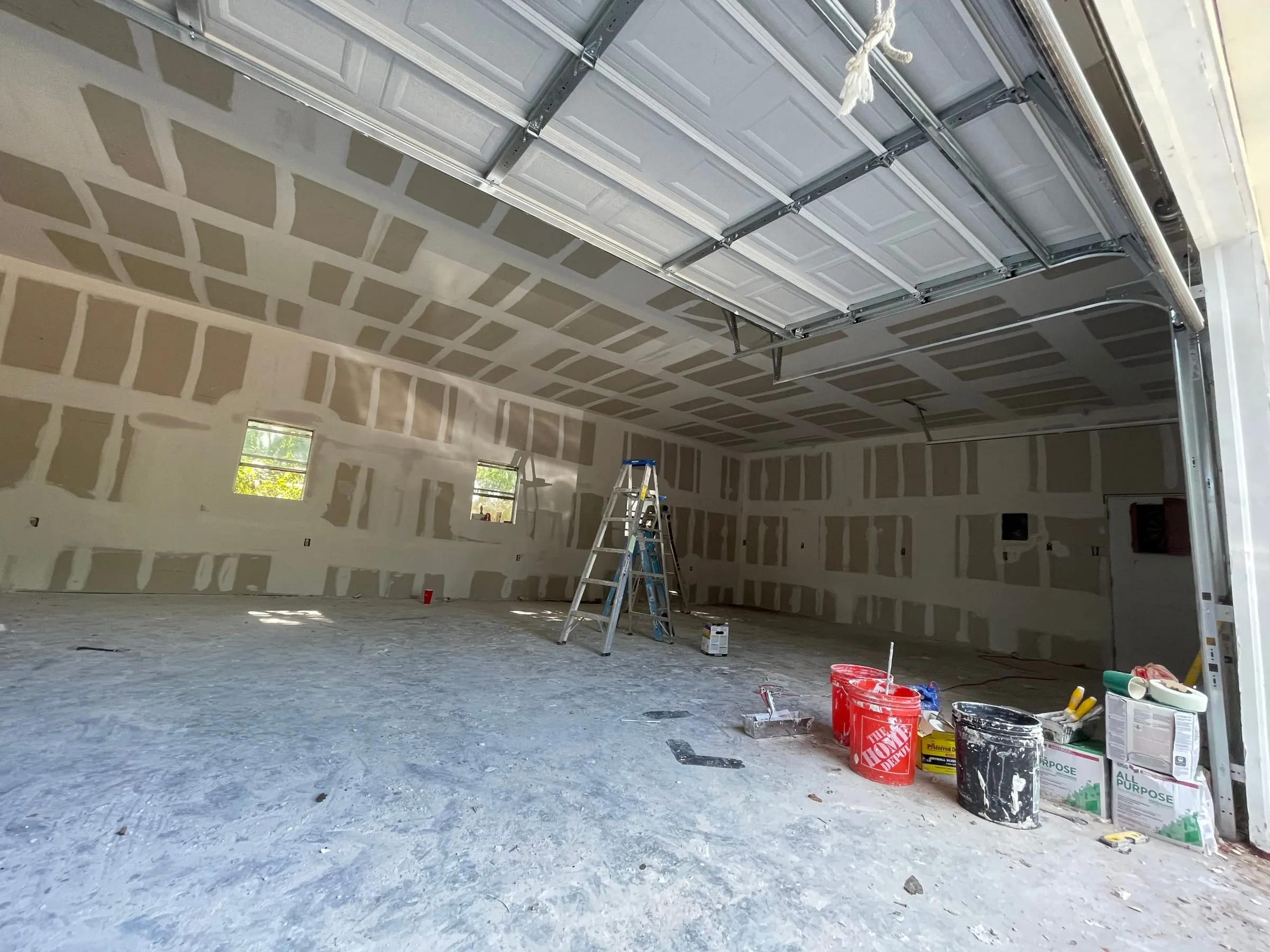 Additions · Rehabs · Framing
General Contracting
Home additions, framing and whole-home rehabs. Fort Worth requires a building permit for every addition.
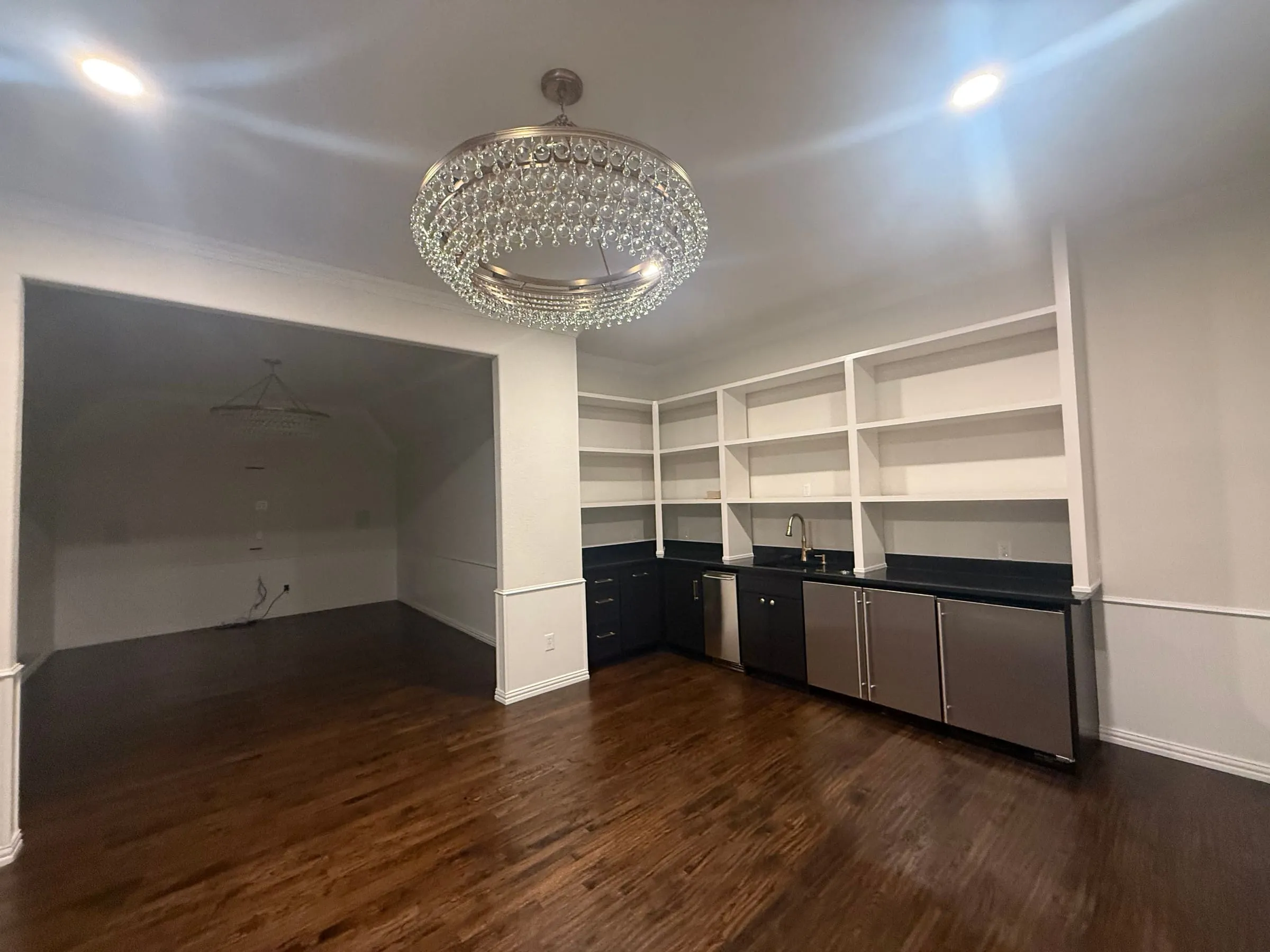 Tile · Trim · Closets
Home Remodeling
Interior renovations, tile, trim and built-ins. Moving a wall needs a city permit. New flooring does not.
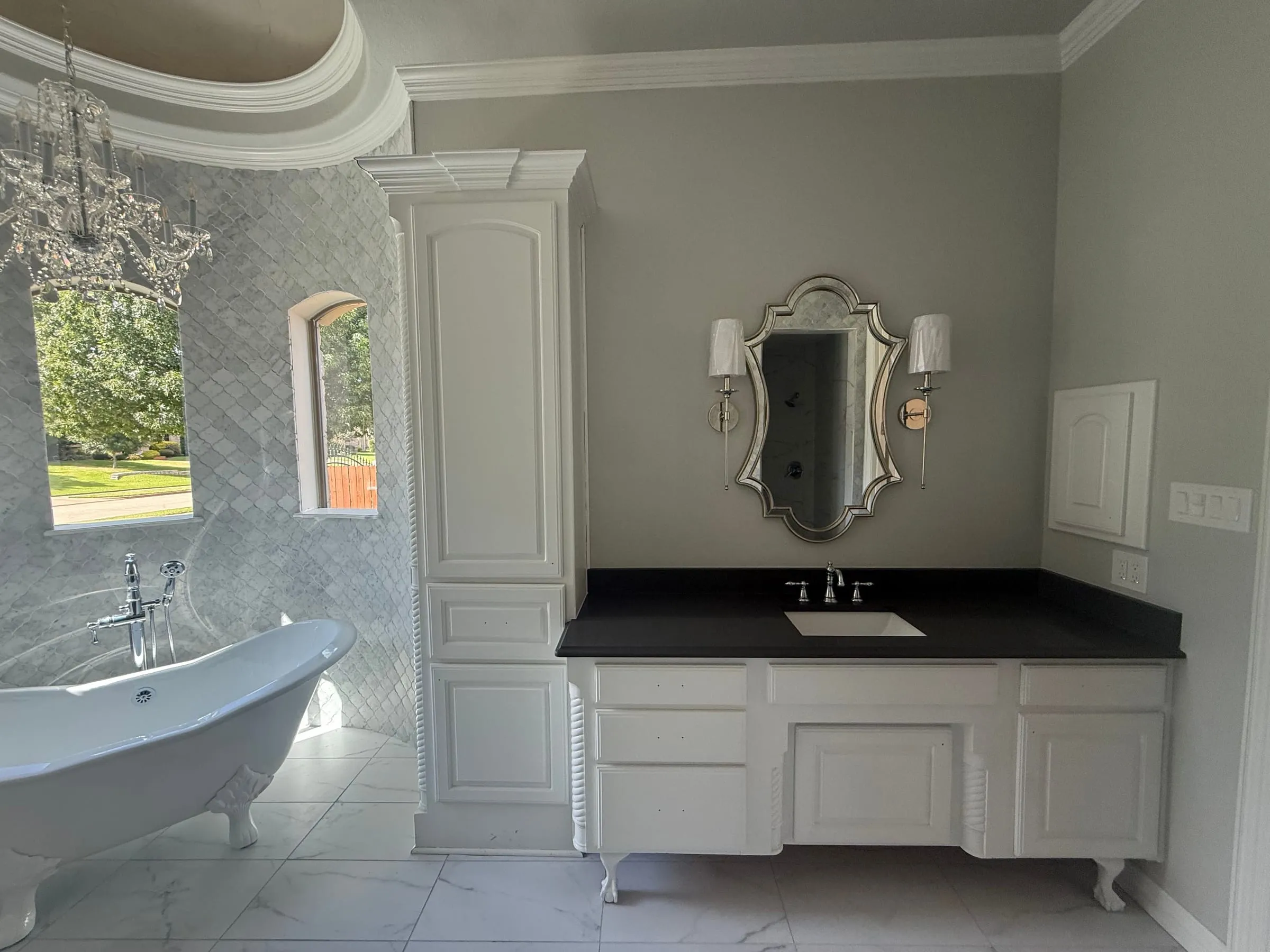 Tile · Showers · Vanities
Bathroom Remodeling
Shower remodels, bathroom tile, vanities and fixtures. A new shower pan needs a city plumbing permit.
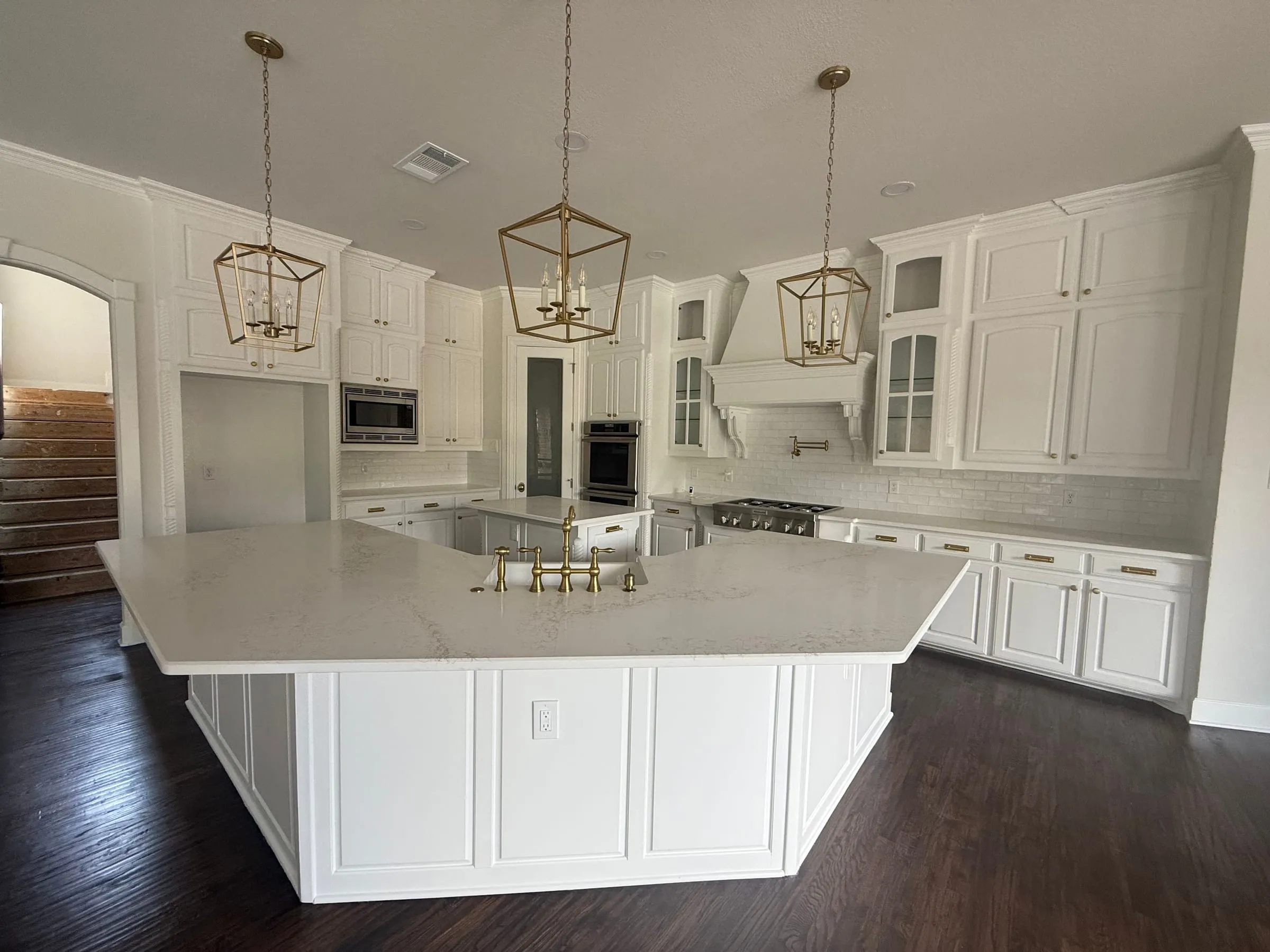 Counters · Cabinets · Tile
Kitchen Remodeling
Countertops, backsplashes and kitchen remodels. The city calls new cabinets and countertops cosmetic work.
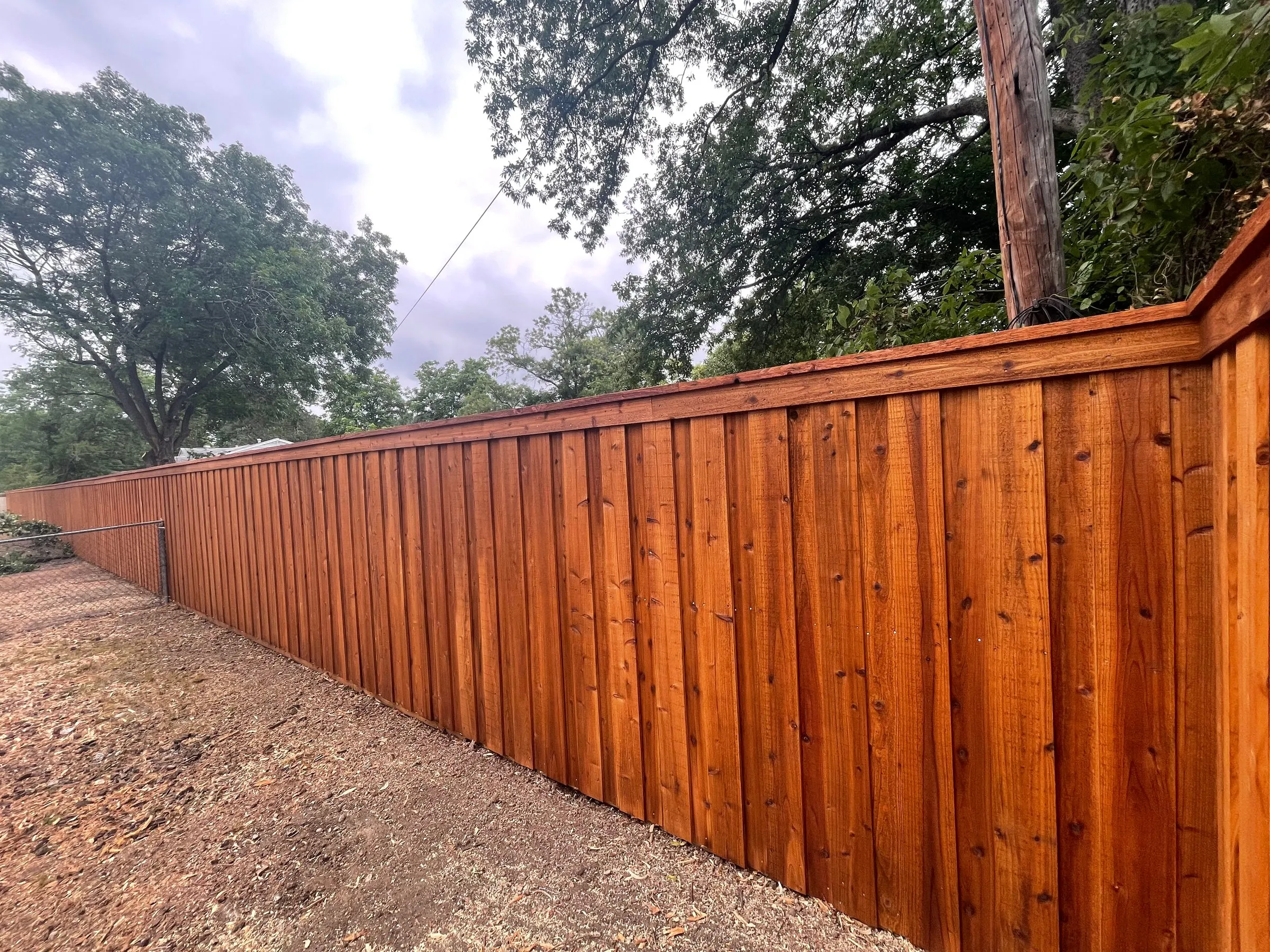 Install · Repair · Gates
Fencing
Fence installation, repair, gates and staining. City rules hold most front yard fences to 4 feet, open style.
 Trimming · Removal · Stumps
Tree Service
Trimming, removal, stump grinding and storm-damaged trees. Plan oak trimming for July through January.
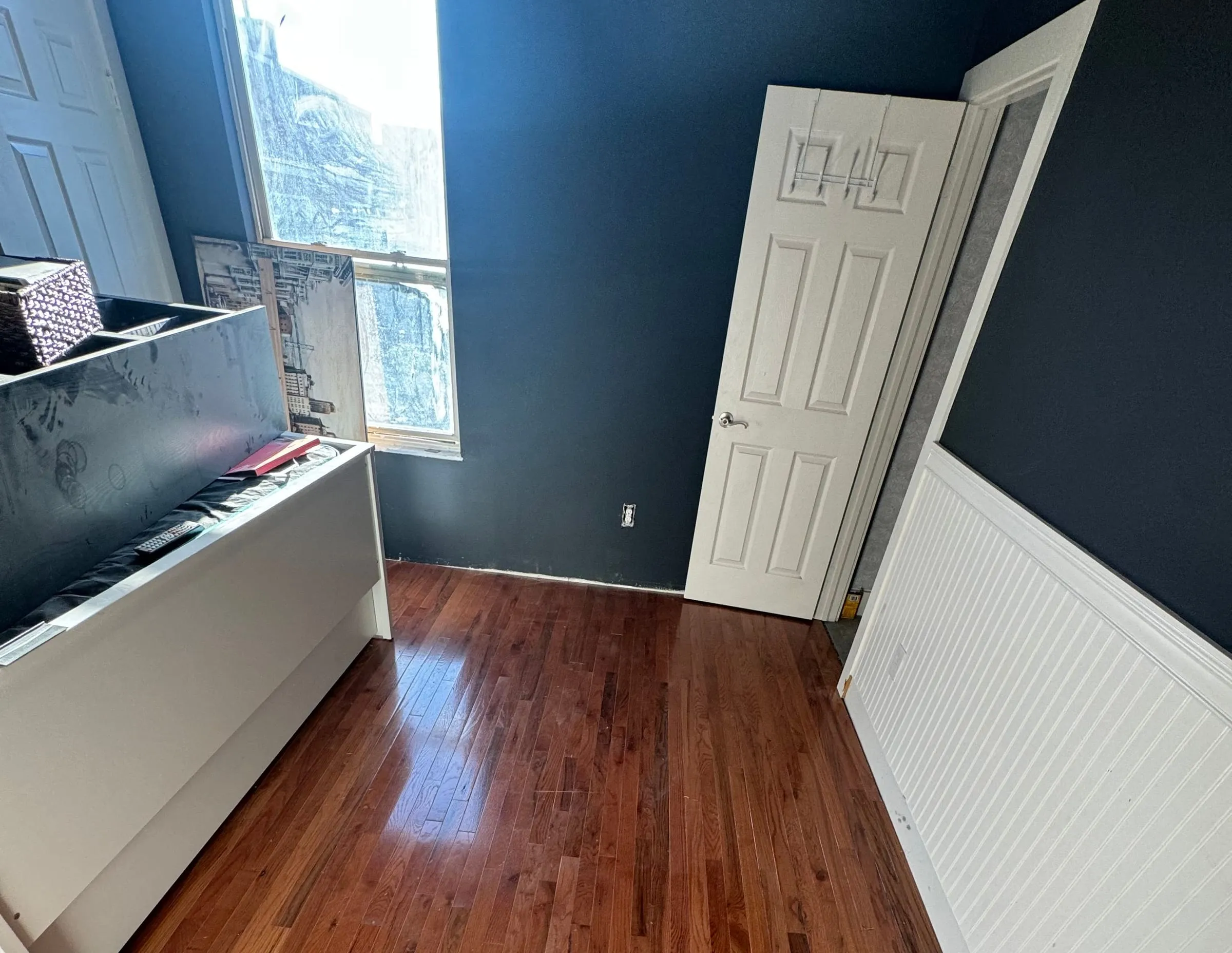 Interior · Exterior · Trim
Painting
Interior and exterior painting. Hail, wind and hot summers are hard on outside paint.
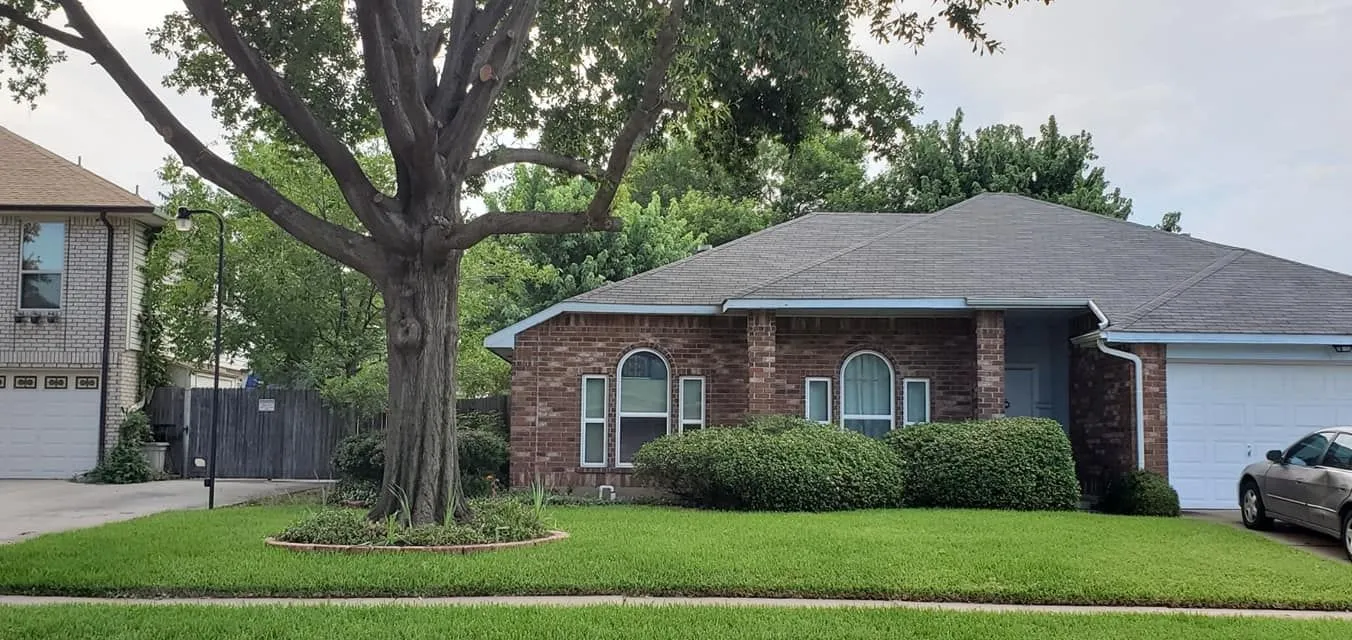 Sod · Mulch · Makeovers
Landscaping
Sod, mulch, beds and yard cleanup. Ask the city about a watering variance before you lay new sod.
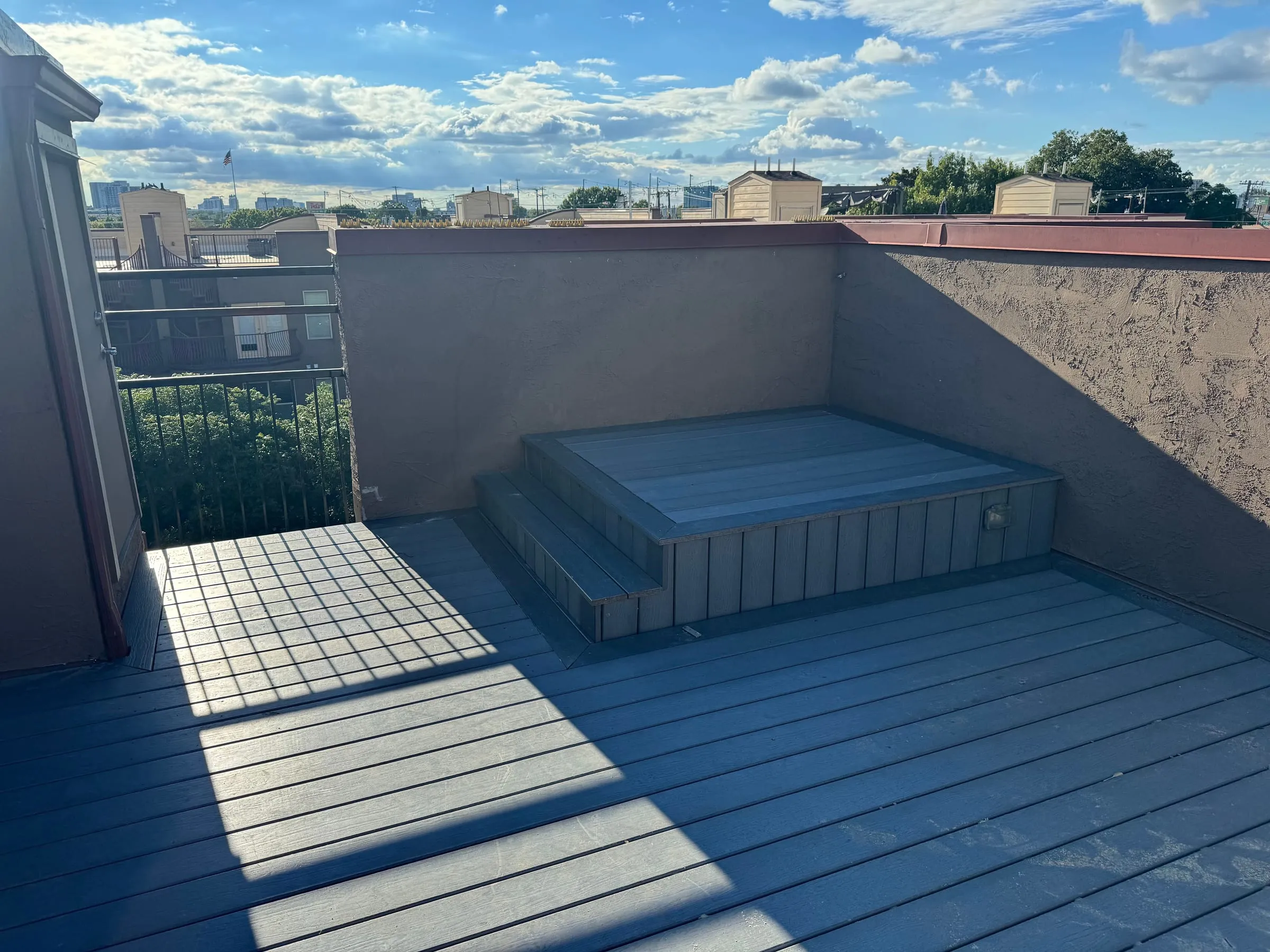 Custom Decks · Built to Last
Decks
Custom deck building. In Fort Worth, a deck more than 6 inches above grade needs a building permit.
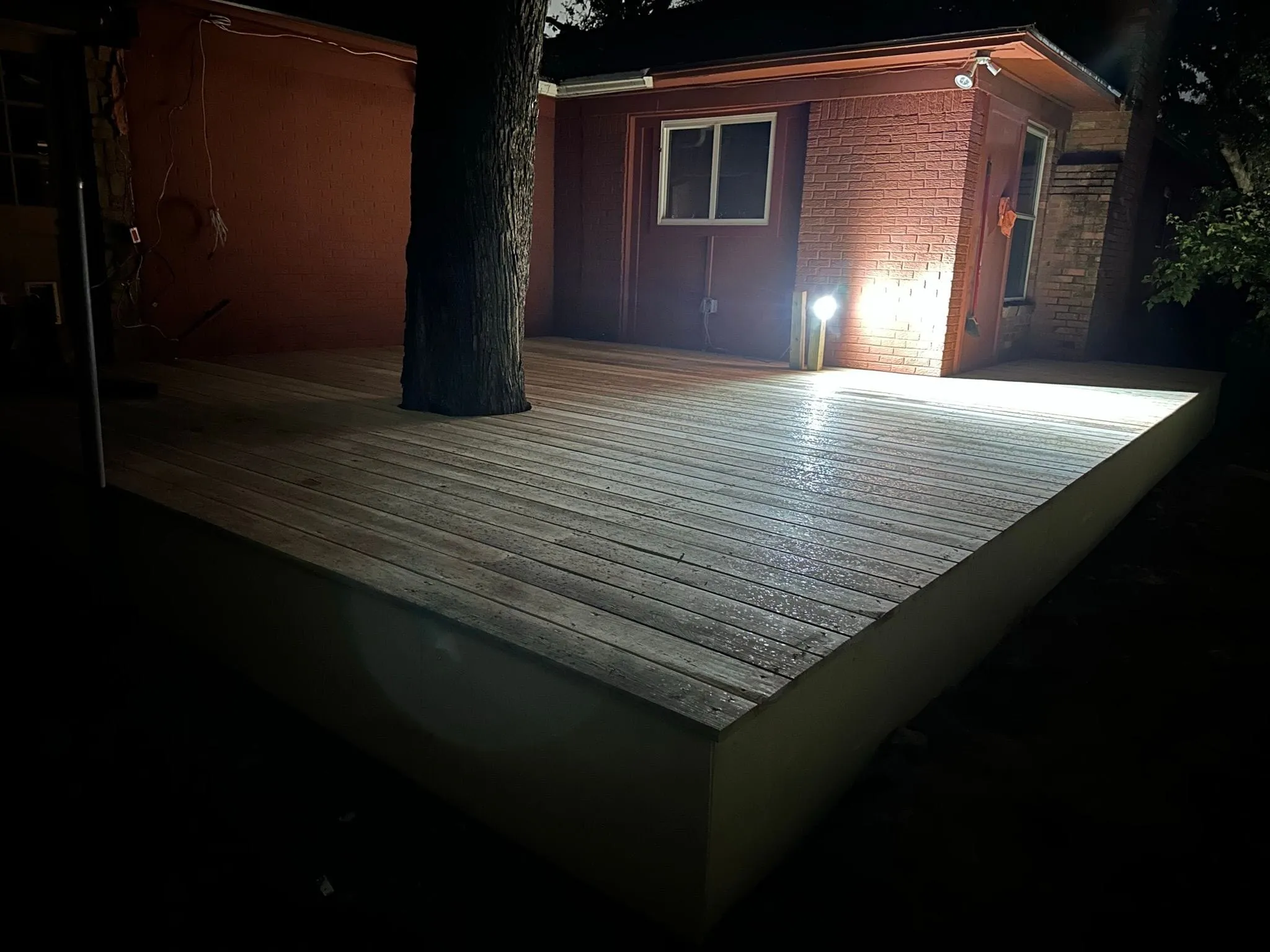 Pergolas · Structures
Outdoor Living
Pergolas and storage sheds. The city says all storage sheds need a building permit.
What Changes the Work in Fort Worth
Fort Worth is not one kind of ground. The city's own tree guide describes shallow clay over plates of limestone in north and southwest Fort Worth, deeper clay around the Near Southside, sandy loam on the east side, and thin, rocky soil toward the western city limits. The weather is hard on outdoor work too. The National Weather Service says large hail, damaging winds, flooding and tornadoes occur nearly every year in Dallas-Fort Worth, and summer days often reach 100 degrees. The Mayfest storm of May 5, 1995 dropped hail up to the size of softballs on Fort Worth.
Request a Quote
Three Things to Tell Us
Your part of town, the age of the house, and whether it sits in a historic district or near a creek.
Fence posts over limestone
Where soil is shallow over limestone, post holes and deck footings may reach rock. Tell us what past digging in your yard ran into.
Clay that moves
USDA maps show Sanger clay in parts of the Near Southside. It cracks in dry spells and swells again when wet. That movement can affect posts and patios.
Post oaks on the east side
Much of east Fort Worth was once Cross Timbers forest. The city says post and blackjack oaks handle construction far worse than most trees.
Oak trimming dates
Texas A&M Forest Service advises against pruning oaks February through June because of oak wilt. Plan routine oak trimming for July through January.
Paint, fences and limbs after storms
Hail and wind chip paint, break pickets and bring down limbs. We quote exterior painting, fence repair and damaged branch removal.
What Needs a Fort Worth Building Permit
Fort Worth's Development Services Department issues residential permits. Every addition needs a building permit. So does every storage building. A deck, platform or walk more than 6 inches above grade needs one too. Zoning rules then set where on the lot each can go.
Inside the house, changing, moving or repairing walls or floors needs a building permit. Changing or moving plumbing or electrical work needs its own permit. Cosmetic work, like new flooring, cabinets and countertops, needs none. Check your project's scope and any permit exemptions with Development Services at 817-392-2222 before you start.
- Fences over 7 feet need permits, except some open wire fences without slats up to 8 feet. Ask Development Services about electric-fence barriers.
- Gazebos and similar structures need permits too. Ask the city about a pergola.
The Urban Forestry Ordinance and Your Yard
Fort Worth's urban forestry ordinance covers the removal of any tree 6 inches or more in diameter. But it exempts a single residential lot of one acre or less that has a one- or two-family home on it. So a house on a standard lot is generally outside these rules. Lots over an acre and new development are a different story, so ask the city first.
On covered land, big trees get extra care. A tree of a protected species 24 inches in diameter, or a post oak or blackjack oak 18 inches in diameter, can be removed only by permit. The lower size for post oaks fits Fort Worth: the city says much of the east side was once Eastern Cross Timbers, a forest of post and blackjack oak.
The strip by the street is different. Planting, pruning or removing a tree in the parkway or other city right-of-way needs approval from the Park & Recreation Forestry Section, even in front of your own house. Historic and design districts can add tree rules of their own.
- On covered lots over one acre, canopy targets apply. Ask Urban Forestry before removing trees.
- Removing a tree without a required permit can bring a citation and a civil penalty.
Outside Work Needs a Certificate of Appropriateness
Fort Worth has local historic districts across the older parts of town. The city's list includes Fairmount/Southside, Mistletoe Heights, Elizabeth Boulevard, Hillcrest, Linden Avenue, Morningside, Terrell Heights and Historic Carver Heights. Single properties can carry their own landmark status too.
For these properties, the city says any change to the exterior needs a certificate of appropriateness before permits. Its list of covered work includes fences, decks, porches and porch columns, accessory structures, additions, doors, windows, and driveways or walkways. Most cases can be approved by city staff. New construction, demolition and requests to waive a district's guidelines go to the Historic and Cultural Landmarks Commission.
District rules apply where the city has adopted them. Elsewhere, federal standards for preserving historic buildings apply. Check your address with city preservation staff before planning outside work. Our Fairmount, Mistletoe Heights and Arlington Heights pages explain local review rules.
What DFW Homeowners Are Saying
Fort Worth FAQ
Answers to common questions. Don’t see yours? Text or call and we will walk you through it.

Still Have Questions?
Send a text or give us a call. We are happy to talk through your project.
Call (469) 340-2030Do I need a permit to remove a tree in my Fort Worth yard?
Often not, on a standard house lot. The city's urban forestry ordinance exempts a single residential lot of one acre or less with a one- or two-family home on it. A tree in the parkway by the street is different: it needs approval from the city's Forestry Section. Ask Urban Forestry staff if your lot is larger, or if it sits in a historic or design district. We quote tree removal, tree trimming and stump grinding.
How tall can a front yard fence be in Fort Worth?
For one- and two-family homes, front yard fences may be up to 4 feet, open, at most 50 percent dense and must not block visibility. Chain link is barred. A special exception can allow a solid fence up to 4 feet, or an open fence up to 5 feet with compatibility and neighbor consent. Corner visibility areas have a 2-foot cap. Ask zoning staff about your lot and any variance.
Does a kitchen or bathroom remodel need a city permit?
It depends on the work. Fort Worth calls new flooring, wall covering, cabinets, countertops and shelving cosmetic, and that work needs no permit. Some fixture replacements are exempt, but shower pans, tubs and water heaters need permits. Ask Development Services about piping and valve changes. Changing, moving or repairing walls or floors needs a building permit. Changing or moving plumbing, including a shower pan, needs a plumbing permit. Tell us the full job so the quote matches the work.
Is my house in a Fort Worth historic district?
Check the district maps on the city's historic preservation page, or ask its preservation staff. If your house is in a district, outside changes such as a fence, deck, porch or addition need a certificate of appropriateness before permits.
When should I trim oak trees in Fort Worth?
Plan routine oak trimming for July through January. Texas A&M Forest Service advises against pruning or wounding oaks from February through June, when sap beetles can carry oak wilt to a fresh cut. It advises painting every oak wound in any month. The city's tree guide lists live oak and red oak among the most common trees in Fort Worth's newer neighborhoods.
How often can I water new sod in Fort Worth?
Fort Worth allows irrigation systems two assigned days a week all year. Homes with addresses ending in an even number water on Wednesday and Saturday. Odd numbers water on Thursday and Sunday. The usual schedule bars Monday watering and watering from 10 a.m. to 6 p.m. For new grass sod, the city offers an approved variance to water for up to 30 days in a row. Watering with a hand-held hose is allowed at any time. We install sod.
My lot is near a creek or the Trinity River. What should I check?
Look up your address on the city's Flood Risk Viewer. The Clear Fork and the West Fork of the Trinity meet near downtown. The city says development in the FEMA floodplain, such as grading or a fence, needs a Floodplain Development Permit. Its rules for mapped City Flood Risk Areas, outside those floodplains, took effect July 15, 2024. Ask the city's floodplain staff what your project needs. Our Tanglewood and Arlington Heights pages go deeper.

Let's Talk About Your Fort Worth Project.
Text or call (469) 340-2030. We chat on the phone, take a look at the job, and send a free quote for your Fort Worth home.
- Free quotes
- Insured
- Family owned